🔬 8th Grade Science · Unit 5
Waves and Information
17 short narrated lessons in 3 chapters, each with pictures, a quiz with a hint and a second try, and an explanation for every answer.
Standards: MS-PS4-1 MS-PS4-2 MS-PS4-3
8th Grade Science · 5 units
What your child will learn
Wave properties
- What Is a Wave?Explain that a wave carries energy from place to place.
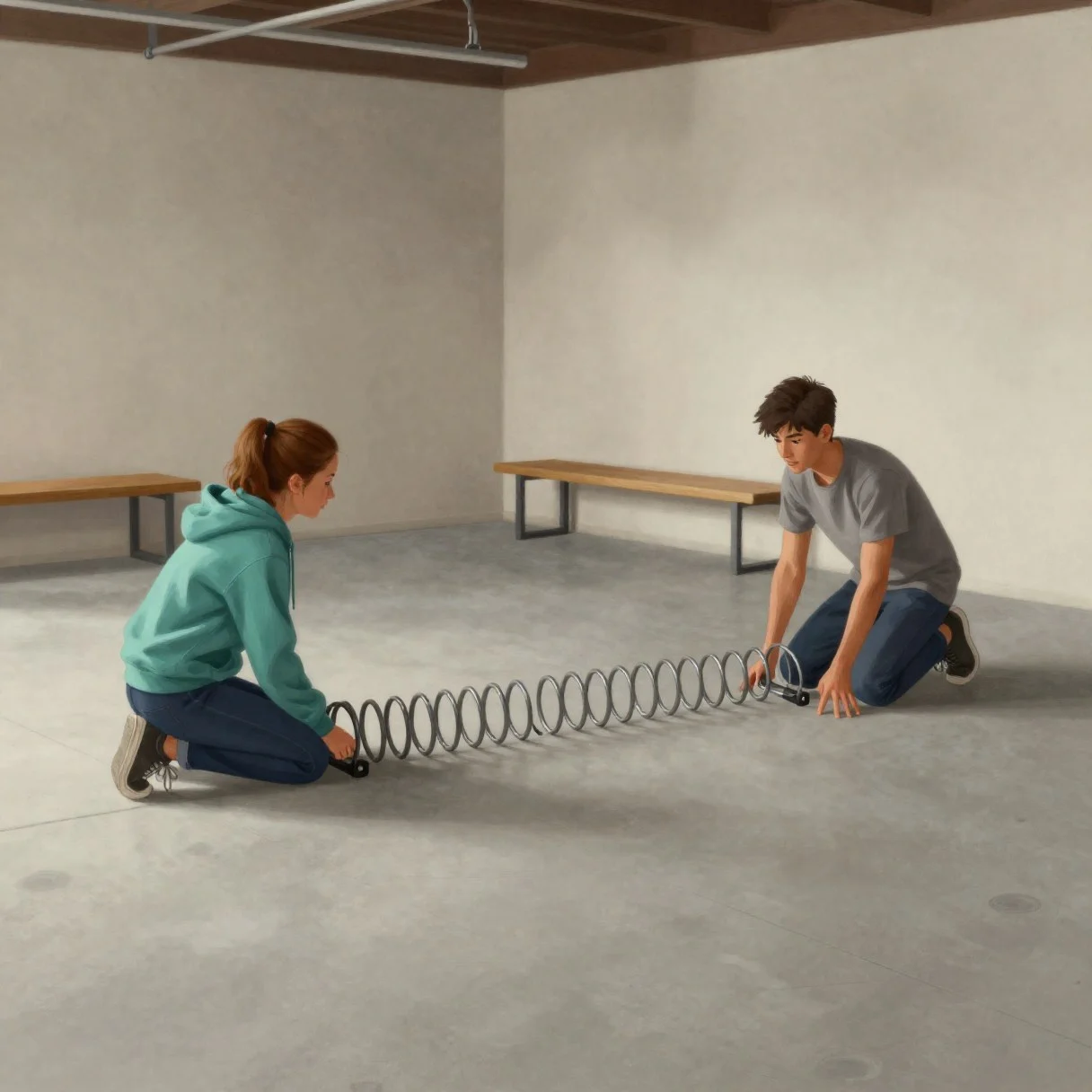
- Transverse and Longitudinal WavesCompare transverse and longitudinal waves.
- Amplitude and EnergyExplain how a wave's amplitude relates to its energy.
- Wavelength and FrequencyDescribe wavelength and frequency and how they relate.
- Wave Properties Review ReviewReview how amplitude, wavelength and frequency describe waves.
Light and sound waves
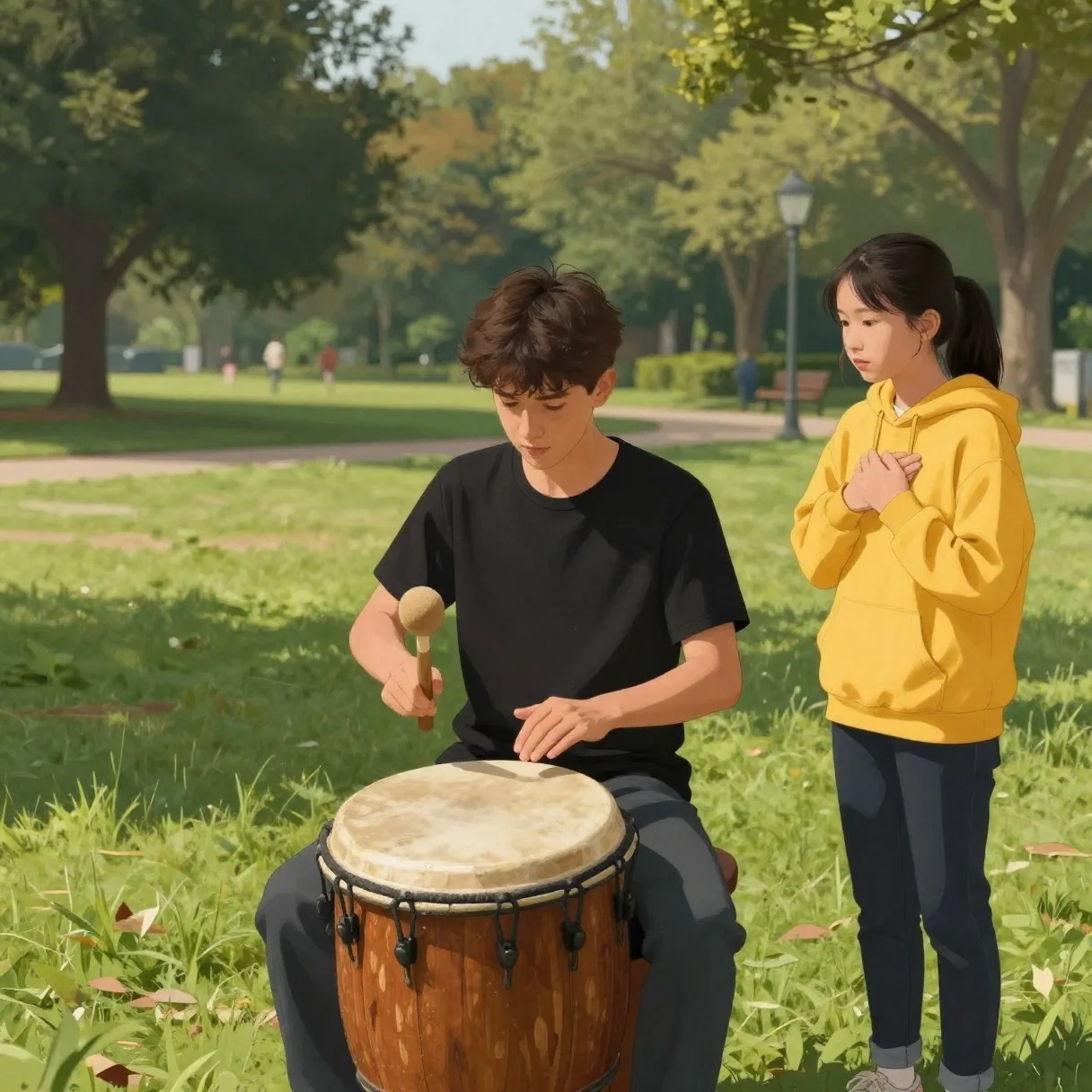
- Sound WavesExplain how sound travels as vibrations through a medium.
- Light WavesDescribe light as a wave that can travel through empty space.
- Reflection and AbsorptionExplain how light is reflected or absorbed by materials.
- Refraction and TransmissionExplain how light bends and passes through transparent materials.
- The Electromagnetic SpectrumDescribe radio waves, visible light and other parts of the spectrum.
- Light and Sound Waves Review ReviewReview how waves are reflected, absorbed or transmitted through materials.
Digital signals
- Analog and Digital SignalsCompare analog and digital signals.
- Encoding Information in Ones and ZerosExplain how information can be coded as ones and zeros.
- Sending Signals with WavesDescribe how radio waves and light carry digital signals.
- Why Digital Is ReliableExplain why digital signals are more reliable than analog signals.
- Digital Signals Review ReviewReview why digitized signals are a reliable way to send information.
- Unit 5 Test: Waves and InformationShow what you learned in the whole unit (Wave properties, Light and sound waves, Digital signals) by answering mixed questions.
Try a question from this unit
From the lesson “What Is a Wave?”
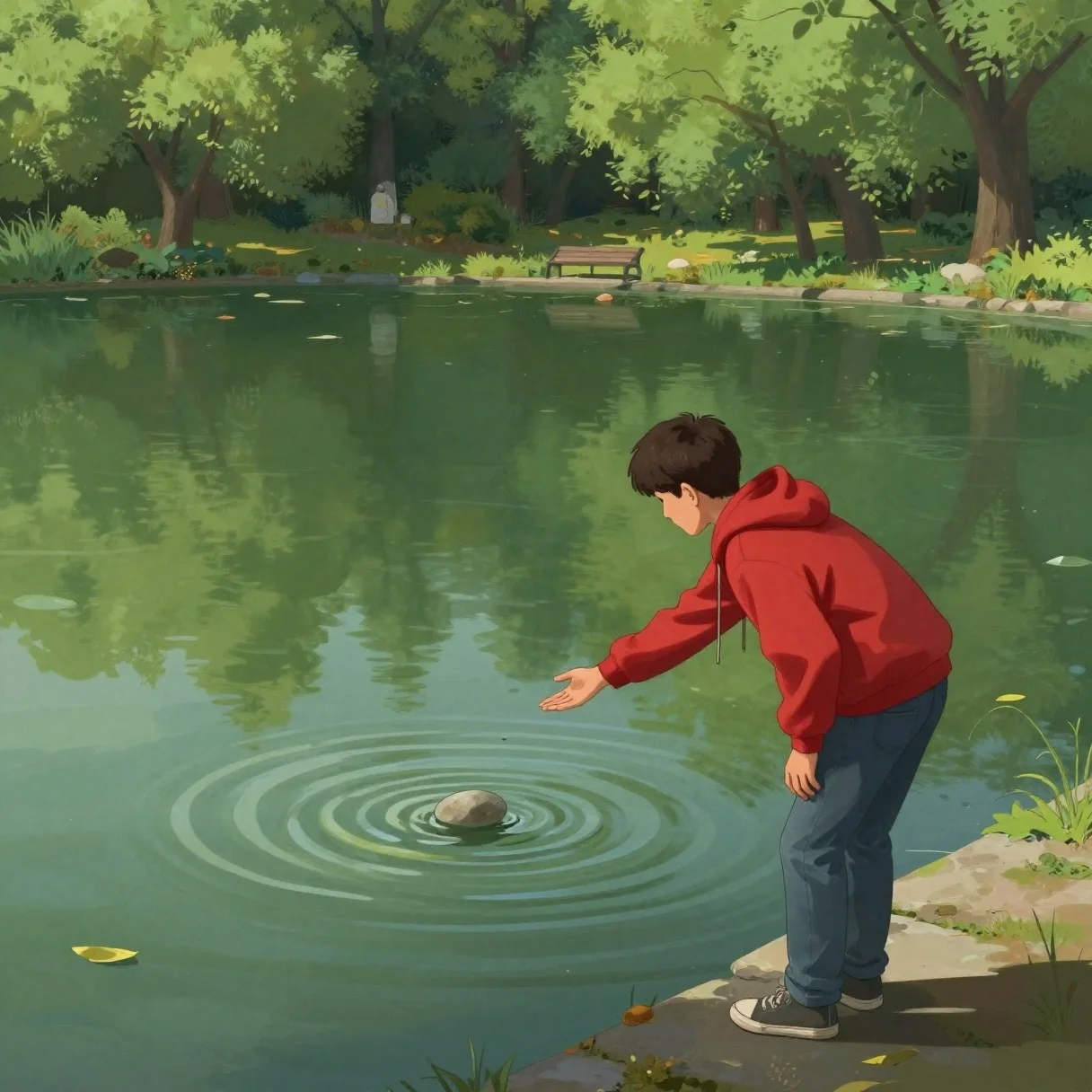
A ripple spreads across a pond and passes under a floating leaf. What does the leaf do?
Show the answer
It bobs up and down and stays near the same spot.. The ripple carries energy, not water, so the leaf rises and falls as the energy passes and stays near its spot. Riding to shore is the tempting answer, but that would mean the water itself was traveling.
Hint kids see after a wrong try: “Think about what the ripple carries and what it leaves behind.”
Key words
- wave
- medium
- transverse
- longitudinal
- amplitude
- wavelength
- frequency
- vibration
- pitch
- electromagnetic wave
- reflection
- absorption
- refraction
- transparent
- spectrum
- visible light
- analog
- digital
- binary
- encode
- signal
- transmit
- noise
- reliable
Try these lessons in Kids Shelf
Narrated lessons, pictures and quizzes for every grade from K to 8. Works offline.