🔬 8th Grade Science · Unit 4
Energy
26 short narrated lessons in 5 chapters, each with pictures, a quiz with a hint and a second try, and an explanation for every answer.
Standards: MS-PS3-1 MS-PS3-2 MS-PS3-4 MS-PS3-3 MS-PS3-5
8th Grade Science · 5 units

What your child will learn
Kinetic energy
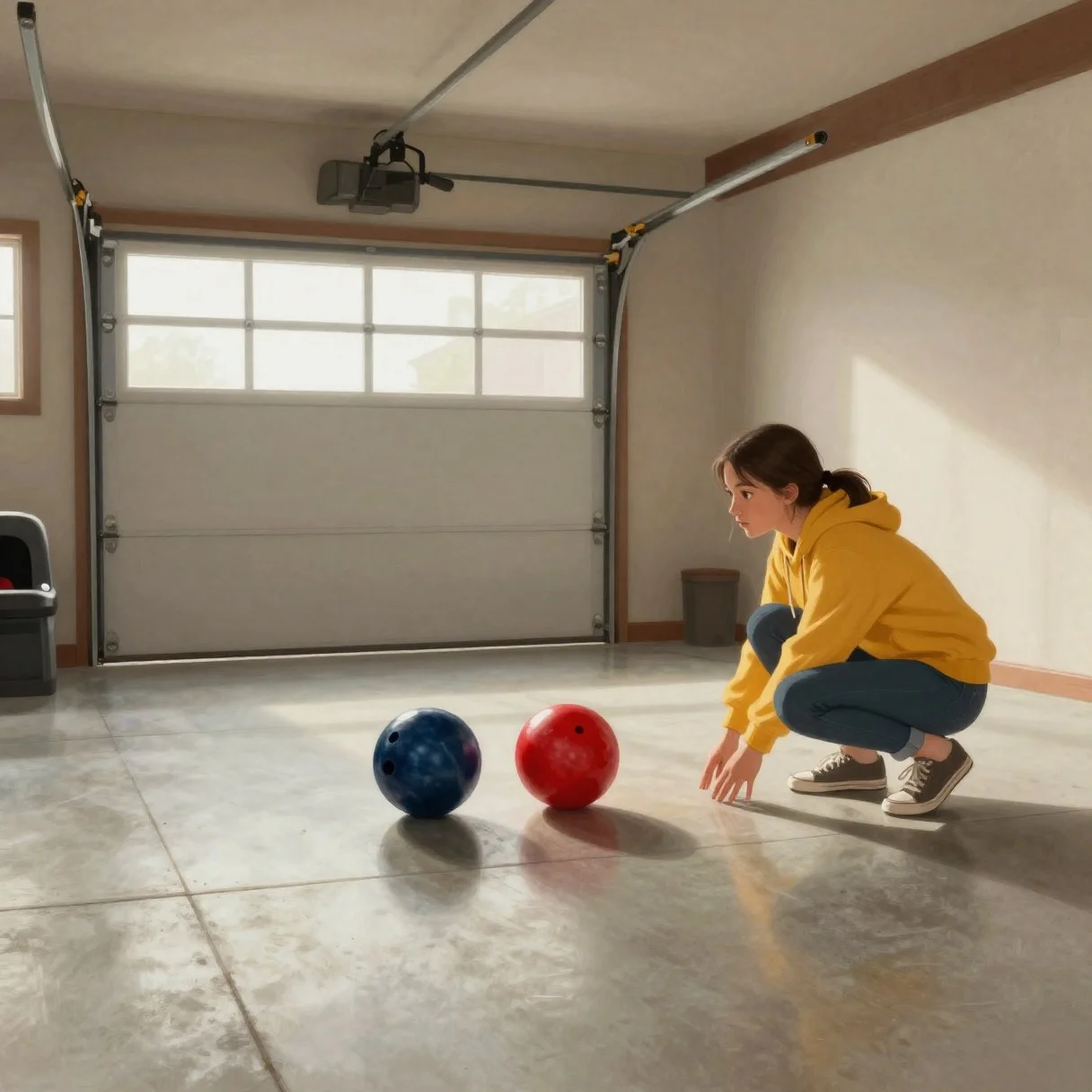
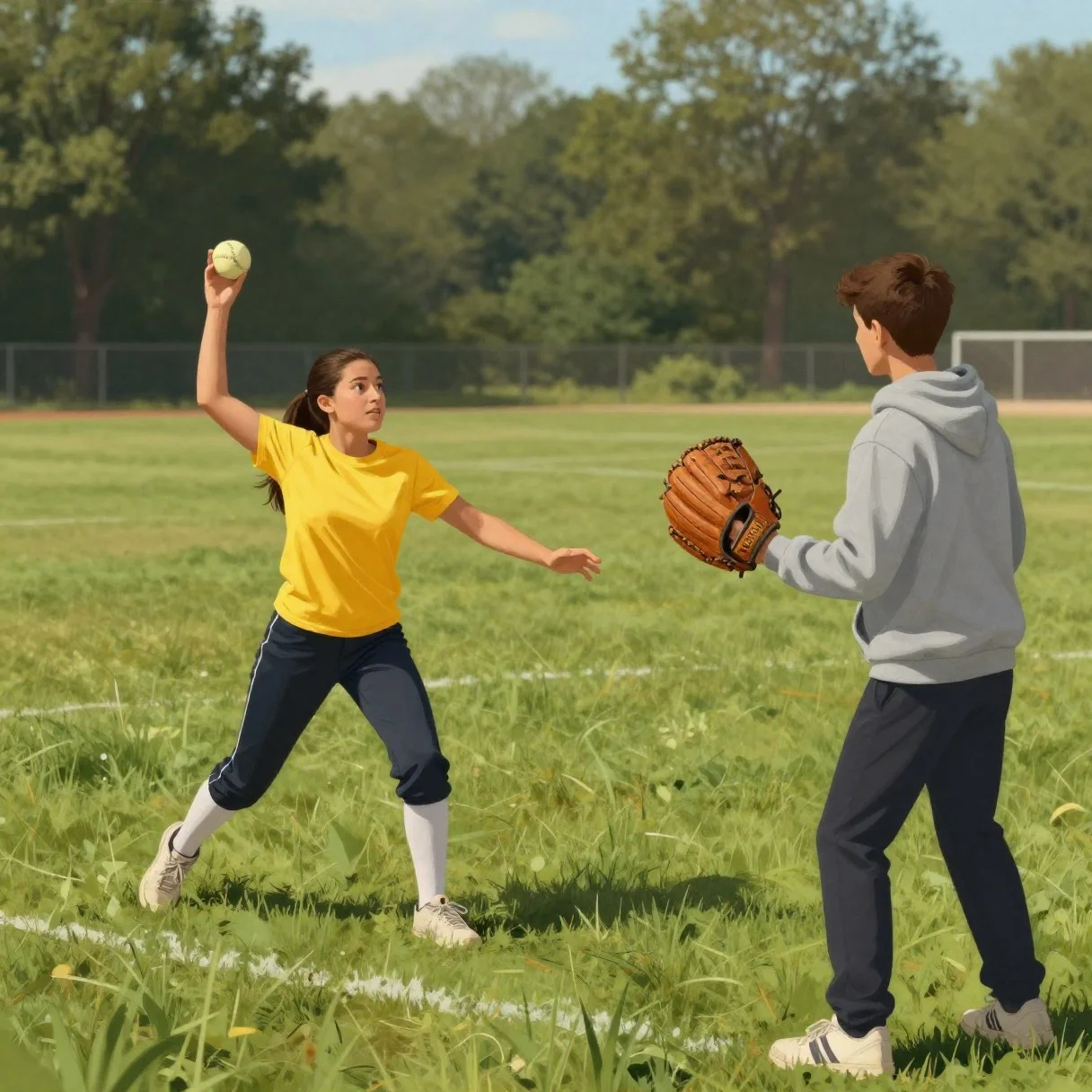
- Energy of MotionExplain that moving objects have kinetic energy.
- Mass and Kinetic EnergyUse data to show how kinetic energy depends on mass.
- Speed and Kinetic EnergyUse data to show kinetic energy grows faster than speed.
- Graphing Kinetic EnergyConstruct and interpret graphs of kinetic energy versus mass and speed.
- Kinetic Energy Review ReviewReview how mass and speed affect an object's kinetic energy.
Potential energy
- Stored EnergyExplain that potential energy is stored in the arrangement of interacting objects.
- Gravitational Potential EnergyExplain how height affects gravitational potential energy.
- Elastic and Magnetic EnergyDescribe potential energy stored in springs and magnets.
- Energy Changes FormsModel how potential energy changes into kinetic energy and back.
- Potential Energy Review ReviewReview how changing the distance between objects changes stored energy.
Temperature and heat
- Heat FlowsExplain that thermal energy moves from warmer to cooler objects.
- Mass and Temperature ChangeInvestigate how the amount of matter affects temperature change.
- Different MaterialsCompare how different materials change temperature when heated.
- Planning an InvestigationPlan an investigation relating energy transferred to temperature change.
- Temperature and Heat Review ReviewReview how energy transfer, mass and material affect temperature change.
Controlling thermal energy
- ConductionExplain how thermal energy moves by direct contact.
- Convection and RadiationExplain how thermal energy moves by fluids and by waves.
- Conductors and InsulatorsCompare materials that transfer thermal energy well and poorly.
- Designing an Insulated CupDesign and test a device that slows thermal energy transfer.
- Controlling Thermal Energy Review ReviewReview how thermal energy moves and how devices control it.
Energy transfer
- Conservation of EnergyExplain that energy is transferred but not created or destroyed.
- Energy in CollisionsExplain how energy transfers when objects collide.
- Where Does Energy Go?Trace energy lost as heat and sound when an object slows down.
- Arguing from EvidenceConstruct an argument that when kinetic energy changes, energy was transferred.
- Energy Transfer Review ReviewReview evidence that energy is transferred when an object's kinetic energy changes.
- Unit 4 Test: EnergyShow what you learned in the whole unit (Kinetic energy, Potential energy, Temperature and heat, Controlling thermal energy, Energy transfer) by answering mixed questions.
Try a question from this unit
From the lesson “Energy of Motion”
Which of these objects has kinetic energy right now?
Show the answer
a skateboard rolling down a ramp. Kinetic energy is the energy of motion, and only the rolling skateboard is moving. The rock high on a cliff is tempting, but while it sits still its kinetic energy is zero; its height gives it a different, stored kind of energy.
Hint kids see after a wrong try: “Ask which object is moving at this moment, not which one could move later.”
Key words
- energy
- kinetic energy
- mass
- proportional
- speed
- graph
- potential energy
- gravitational potential energy
- height
- elastic
- magnetic potential energy
- energy transformation
- heat
- thermal equilibrium
- specific heat
- variable
- procedure
- conduction
- convection
- radiation
- conductor
- insulator
- design
- test
Try these lessons in Kids Shelf
Narrated lessons, pictures and quizzes for every grade from K to 8. Works offline.