🔬 Kindergarten Science · Unit 1
Weather and the Sun
24 short narrated lessons in 5 chapters, each with pictures, a quiz with a hint and a second try, and an explanation for every answer.
Standards: K-ESS2-1 K-ESS3-2 K-PS3-1 K-PS3-2 K-2-ETS1-1 K-2-ETS1-2 K-2-ETS1-3
Kindergarten Science · 4 units
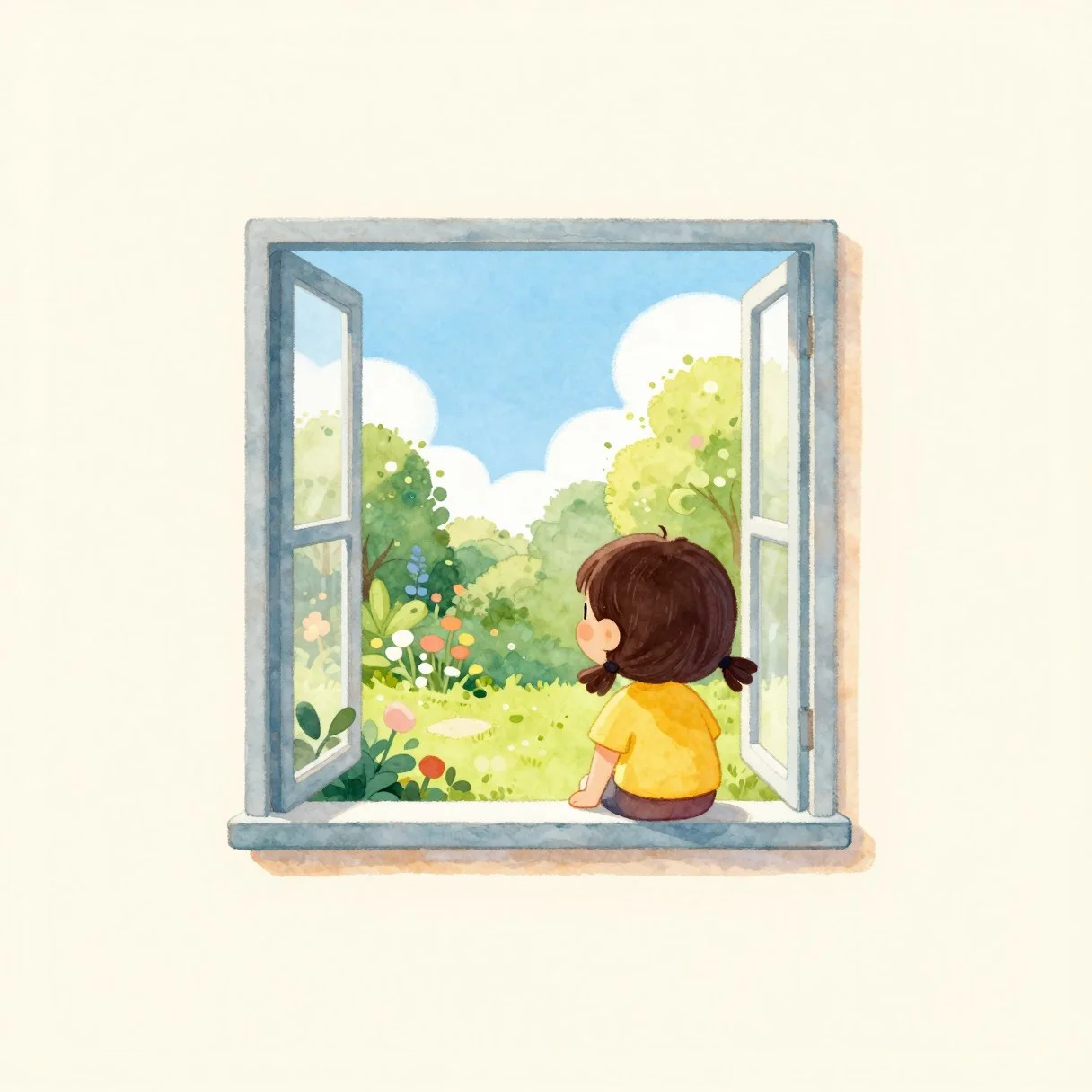
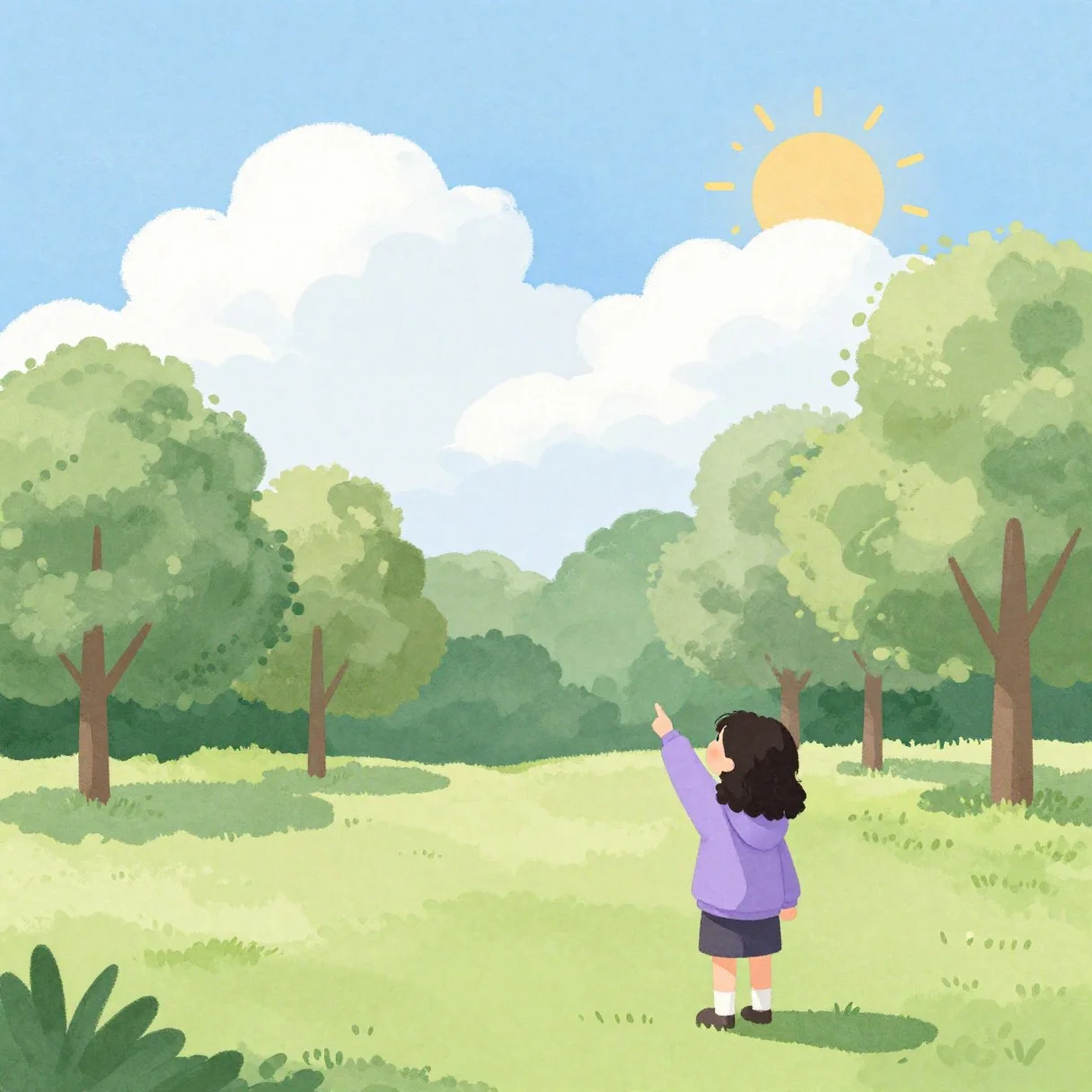
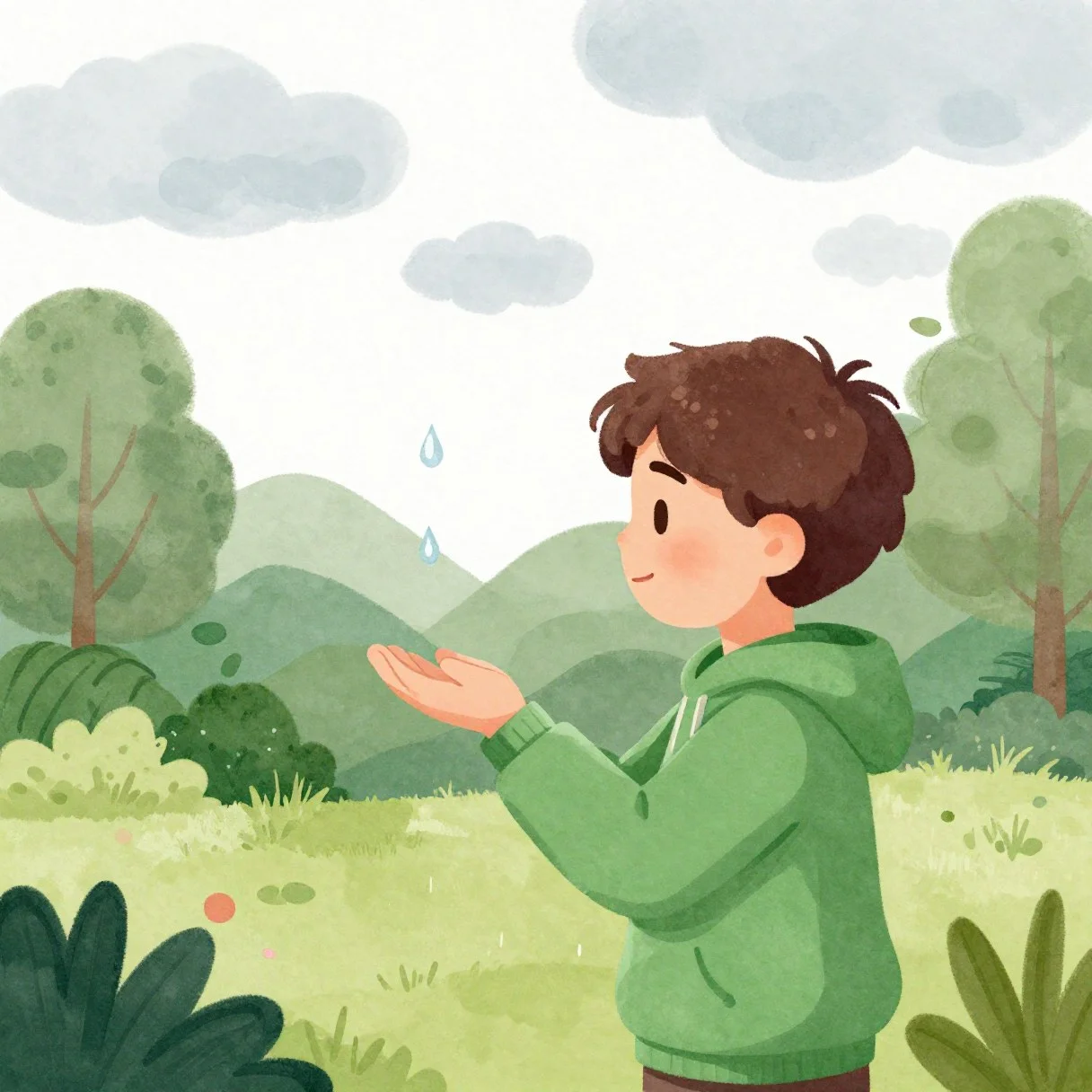
What your child will learn
Looking at the weather
- What Is Weather?Describe weather as what the air outside is like each day, such as sunny, cloudy, rainy or windy.
- Sunny and Cloudy DaysCompare sunny days and cloudy days by how the sky looks and how warm it feels.
- Rain and SnowIdentify rain and snow as water falling from clouds and tell which one comes on colder days.
- Windy DaysDescribe wind as moving air and name clues that show the wind is blowing, like swaying trees.
- Looking at the Weather Review ReviewReview the kinds of weather children can see and feel: sunny, cloudy, rainy, snowy and windy.
Weather patterns
- Warm Days and Cold DaysCompare warm and cold days and choose clothes that fit each kind of weather.
- Using a ThermometerUse a thermometer to tell whether it is warmer or colder outside today than yesterday.
- Keeping a Weather ChartUse a simple weather chart to record the weather each day and count sunny and rainy days.
- Weather in the Four SeasonsDescribe the usual weather patterns in spring, summer, fall and winter.
- Weather Patterns Review ReviewReview how recording weather each day helps us notice patterns across days and seasons.
Getting ready for big weather
- Big WeatherIdentify strong kinds of weather such as thunderstorms, blizzards and hurricanes.
- Weather ForecastsExplain that weather forecasters tell us what weather is coming so we can plan ahead.
- Getting Ready for a StormDescribe simple ways families get ready for a storm, like staying indoors and having flashlights.
- Big Weather Review ReviewReview how forecasts and simple plans help people stay safe and comfortable in big weather.
Sunlight warms the Earth
- The Sun Gives Light and WarmthExplain that the sun gives Earth both light and warmth.
- Sunny Spots and Shady SpotsCompare how warm things feel in a sunny spot and in a shady spot.
- Sunlight Warms Sand, Water and RocksObserve that sand, water and rocks get warmer after sitting in sunlight.
- Sunlight Warms the Earth: Review ReviewReview how sunlight warms the Earth's surface, including sand, soil, rocks and water.
Making shade
- Blocking the SunlightIdentify things like trees, umbrellas and roofs that block sunlight and make shade.
- Engineers Solve ProblemsExplain that engineers are people who find problems and design things to solve them.
- Design a Shade ShelterDraw a plan for a small shelter that keeps a toy out of the hot sun.
- Build and Test a ShelterBuild a shade shelter from simple materials and test whether it keeps the area under it cooler.
- Which Shelter Works Best?Compare two shade shelters to decide which one keeps things cooler and why.
- Making Shade Review ReviewReview how blocking sunlight makes shade and how engineers plan, build and test solutions.
Try a question from this unit
From the lesson “What Is Weather?”
Which picture shows a sunny day?
Show the answer
[object Object]. On a sunny day the sun shines and the sky is clear.
Hint kids see after a wrong try: “Look for the bright light in a clear sky.”
Key words
- weather
- sky
- sunny
- cloudy
- rain
- snow
- cloud
- wind
- air
- warm
- cold
- thermometer
- temperature
- chart
- record
- season
- pattern
- storm
- thunder
- forecast
- forecaster
- prepare
- shelter
- sun
Try these lessons in Kids Shelf
Narrated lessons, pictures and quizzes for every grade from K to 8. Works offline.