Growth and Reproduction
16 short narrated lessons in 3 chapters, each with pictures, a quiz with a hint and a second try, and an explanation for every answer.
Standards: MS-LS1-4 MS-LS3-2 MS-LS1-5
What your child will learn
Animal reproduction and behavior
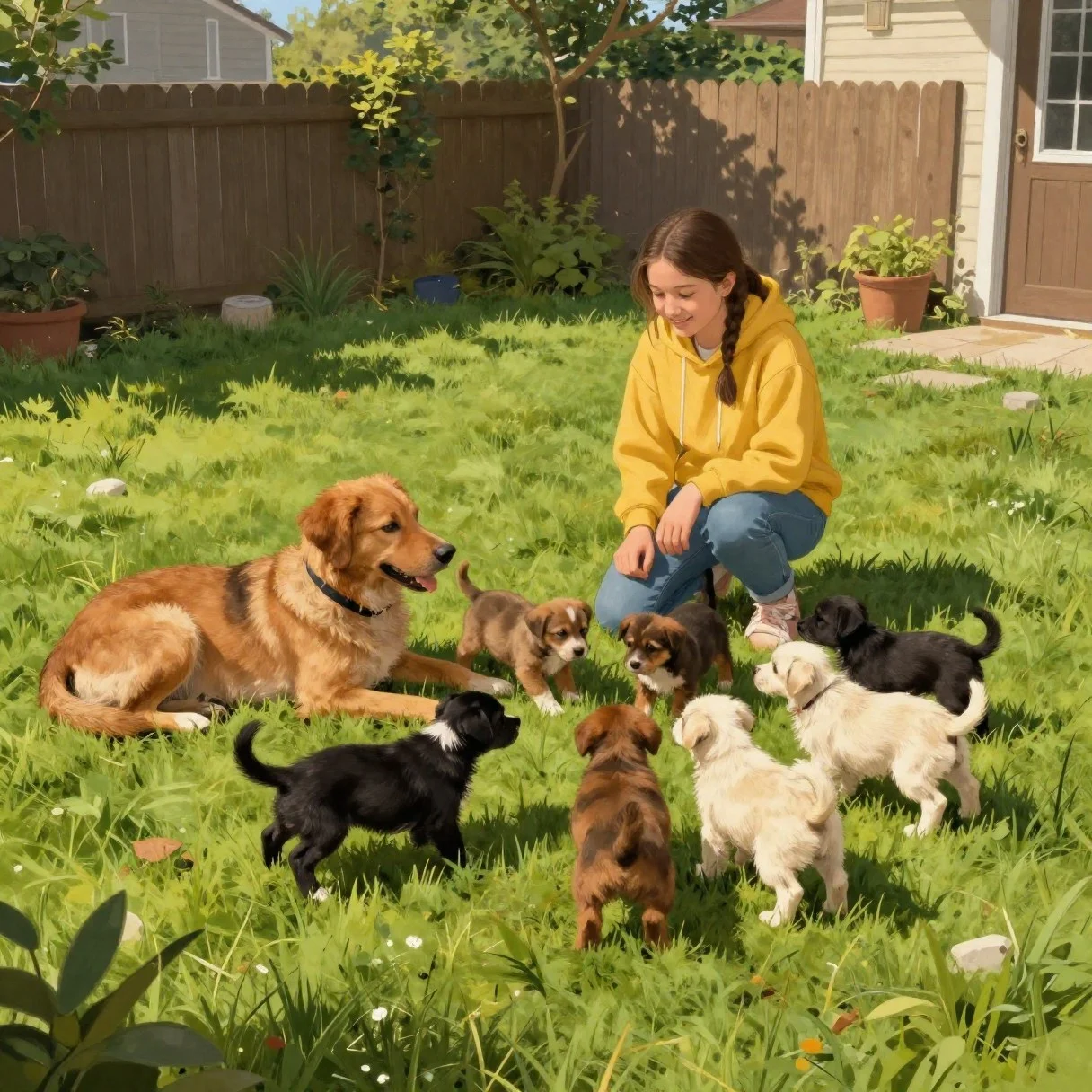
- Sexual Reproduction in AnimalsExplain that in sexual reproduction offspring get genetic information from two parents.
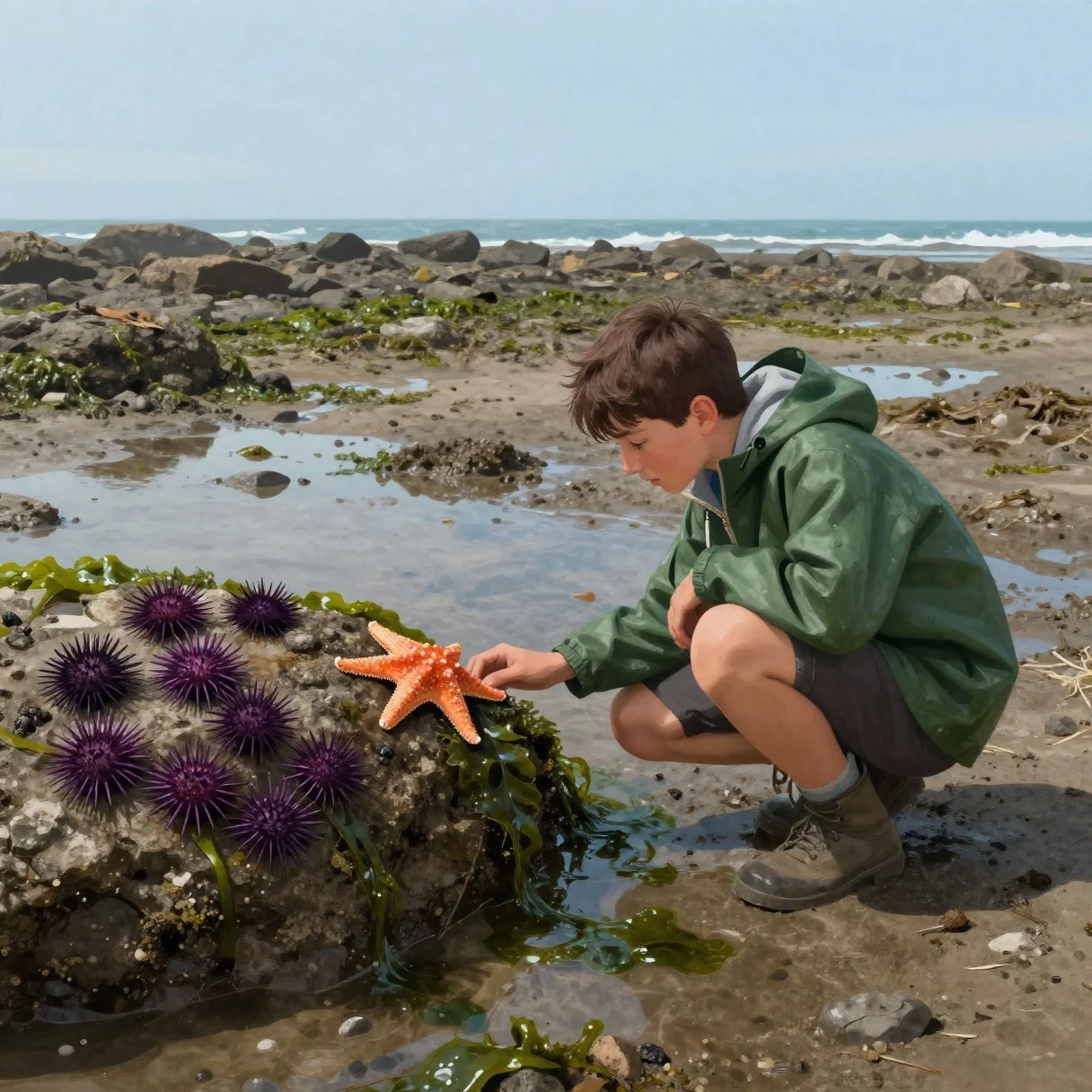
- Asexual Reproduction in AnimalsDescribe how animals like sea stars and hydras can reproduce from one parent.
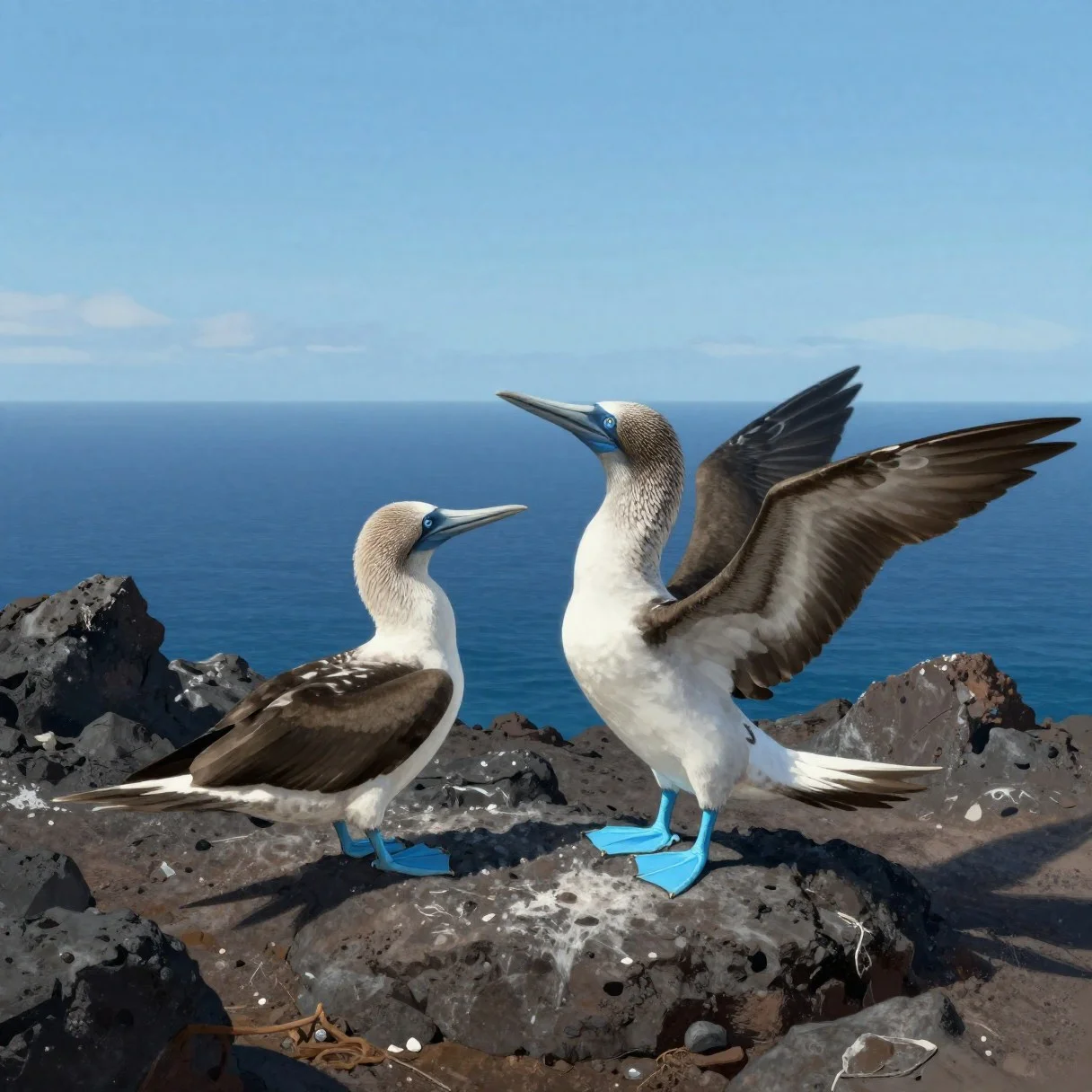
- Courtship BehaviorsExplain how behaviors such as bird songs and displays help animals reproduce.
- Caring for YoungExplain how nest building and parental care increase offspring survival.
- Animal Reproduction and Behavior Review ReviewReview how animal reproduction strategies and behaviors help offspring survive.
Plant reproduction
- Flowers and PollinationDescribe how flower structures help plants reproduce.
- Plants and Their PollinatorsExplain how colorful flowers and nectar attract animal pollinators.
- Seeds and FruitDescribe how fruits protect seeds and help them spread.
- Plants from One ParentDescribe asexual plant reproduction such as runners, bulbs and cuttings.
- Plant Reproduction Review ReviewReview how plant structures and animals help plants reproduce.
Factors that affect growth
- Genes and GrowthExplain that genes set the possible size and traits of an organism.
- Environment and GrowthExplain how light, water, food and space affect how organisms grow.
- Fertilizer and DroughtAnalyze data on how nutrients and drought affect plant growth.
- Designing a Growth ExperimentPlan a fair test to compare environmental factors on plant growth.
- Factors That Affect Growth: Review ReviewReview how both genes and the environment influence growth.
- Unit 4 Test: Growth and ReproductionShow what you learned in the whole unit (Animal reproduction and behavior, Plant reproduction, Factors that affect growth) by answering mixed questions.
Try a question from this unit
From the lesson “Sexual Reproduction in Animals”
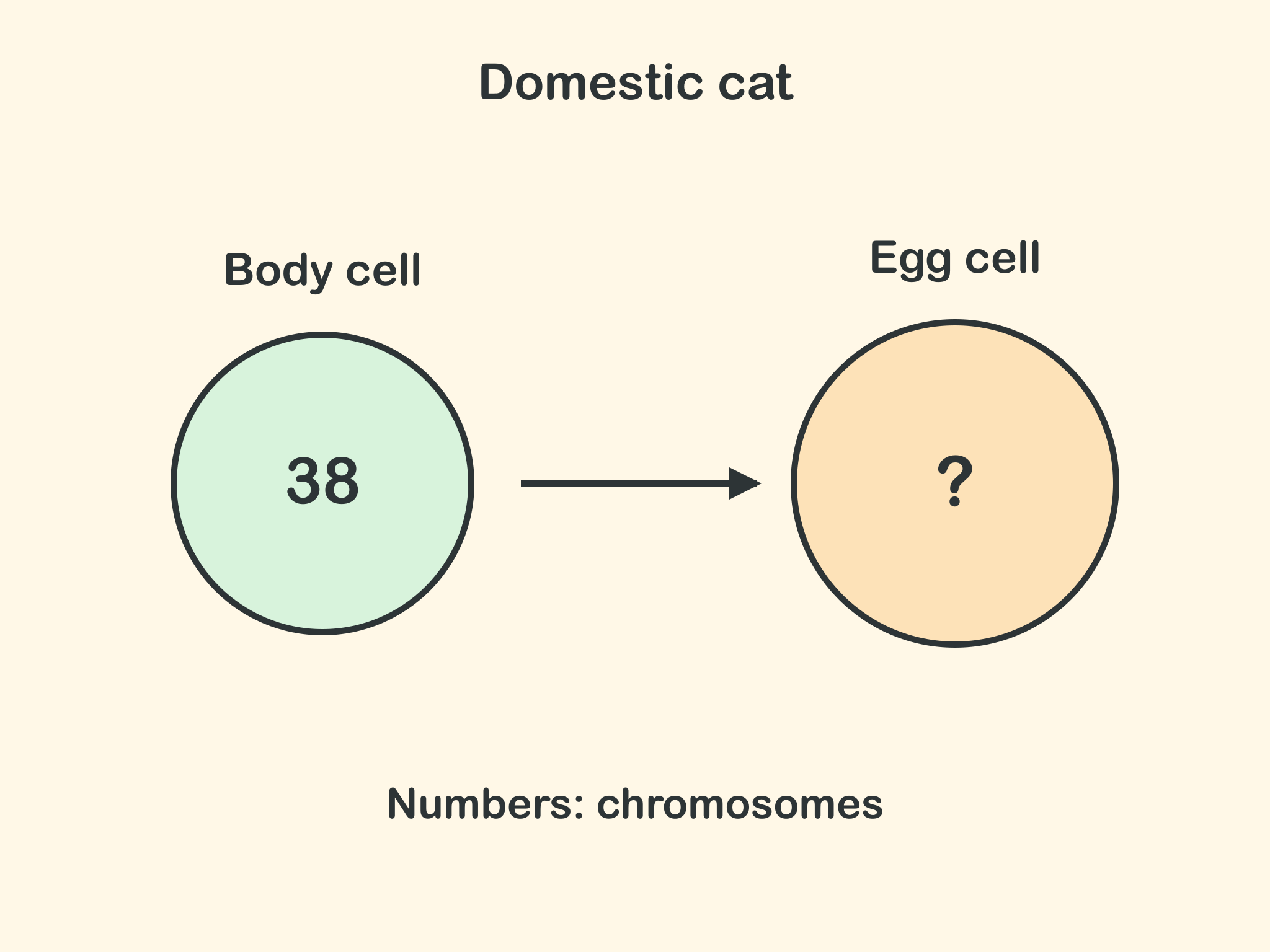
A domestic cat's body cells each have 38 chromosomes. Look at the diagram. How many chromosomes are in each of its egg cells?
Show the answer
19 chromosomes. A reproductive cell carries half of the parent's chromosomes, and half of 38 is 19. The answer 38 is tempting, but if each reproductive cell had a full set, the fertilized egg would end up with double the normal number.
Hint kids see after a wrong try: “Think about how much of a parent's genetic information goes into one reproductive cell.”
Key words
- sexual reproduction
- offspring
- asexual reproduction
- budding
- regeneration
- behavior
- courtship
- parental care
- survival
- flower
- pollen
- pollination
- pollinator
- nectar
- seed
- fruit
- dispersal
- runner
- bulb
- gene
- trait
- environment
- factor
- fertilizer
Try these lessons in Kids Shelf
Narrated lessons, pictures and quizzes for every grade from K to 8. Works offline.